Impact
Co-founded a luxury lifestyle brand and built its 460+ product store (~48 brands): keyboard- and screen-reader accessible, WCAG AAA contrast, and an AI content pipeline that keeps a two-person team publishing weekly.
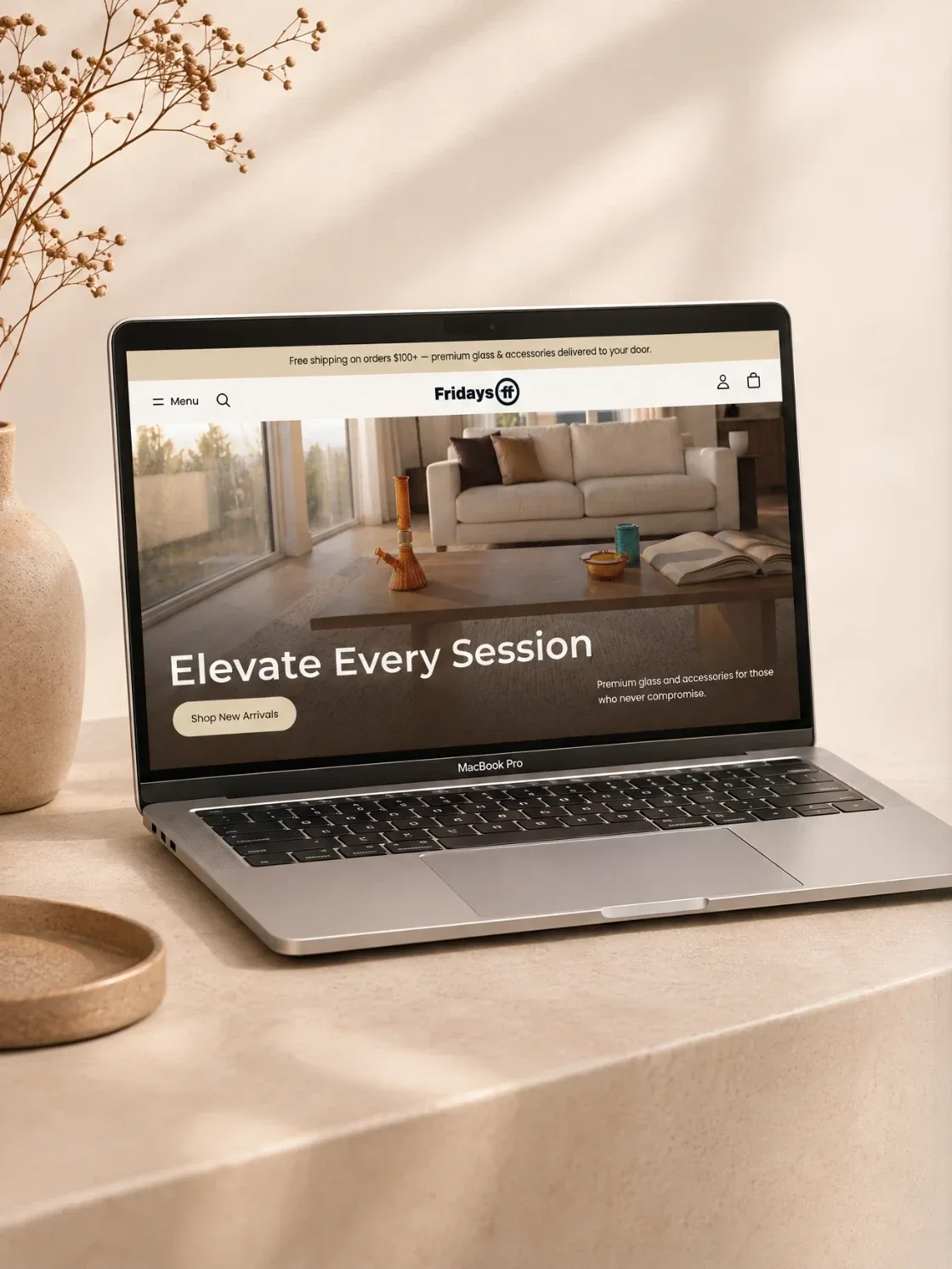
| My role | Co-founder · brand, web and marketing design lead |
| Scope | Brand · Shopify design + build · IA · Accessibility · AI pipeline |
| Tools | Shopify · Claude + Claude Code · Higgsfield · Notion · Blotato |
| Status | Live at fridays-off.co |
The idea
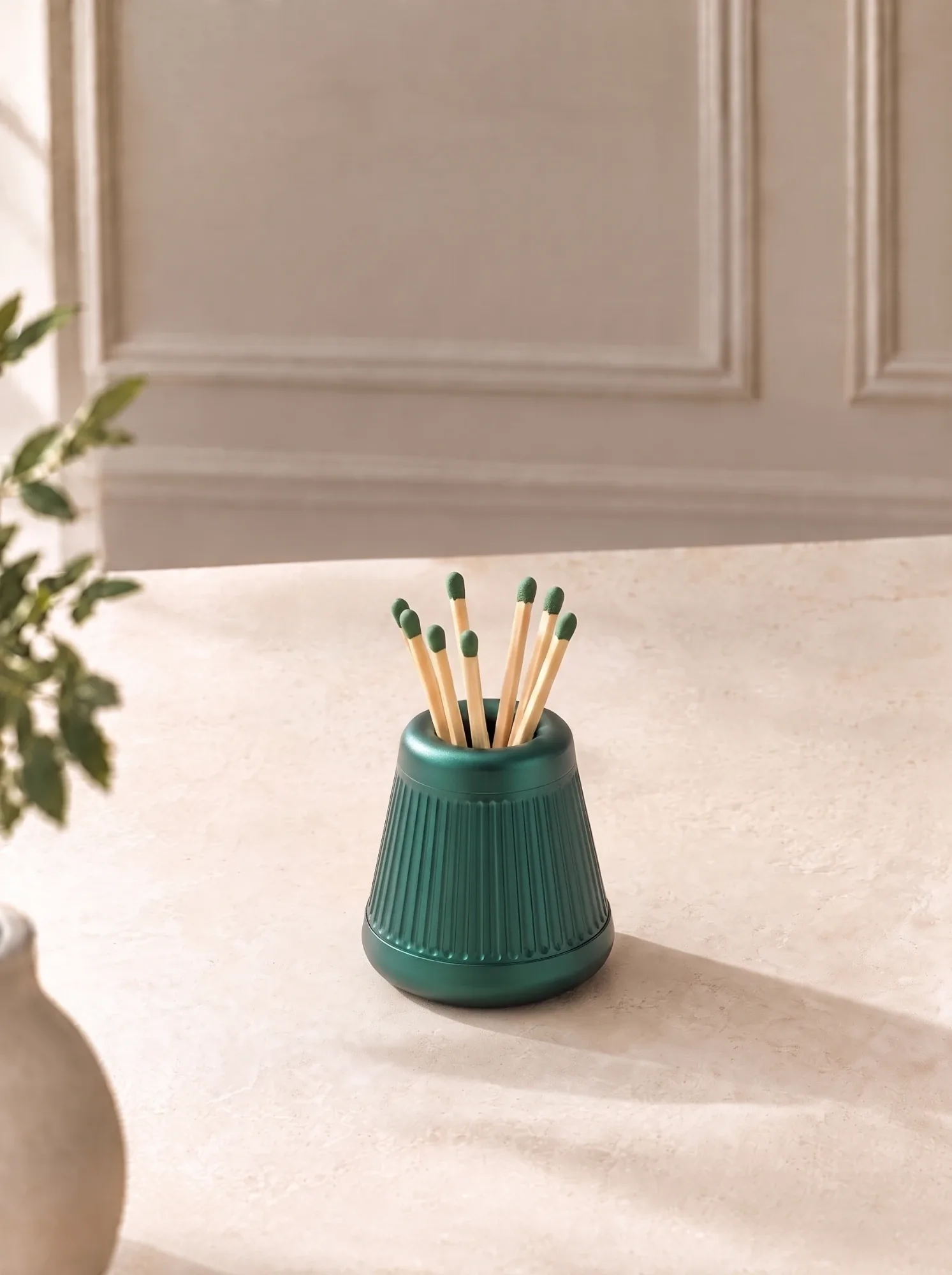
Most shops in this space feel cluttered, loud and cheap. Fridays-Off is the opposite: a Louis Vuitton-level experience for lifestyle products and home goods, curated for people who care how things look on their shelf.
For my co-founder and me, it's personal: a business built on our own terms.
Who does what
We designed the brand together. Then:
| Me | My co-founder |
|---|---|
| Designed and built the entire website | Logistics and suppliers |
| Accessibility | Product research |
| Launch design assets | Copy and brand voice |
| Marketing execution + automation | Marketing strategy, UX feedback |
1. The brand: quiet luxury
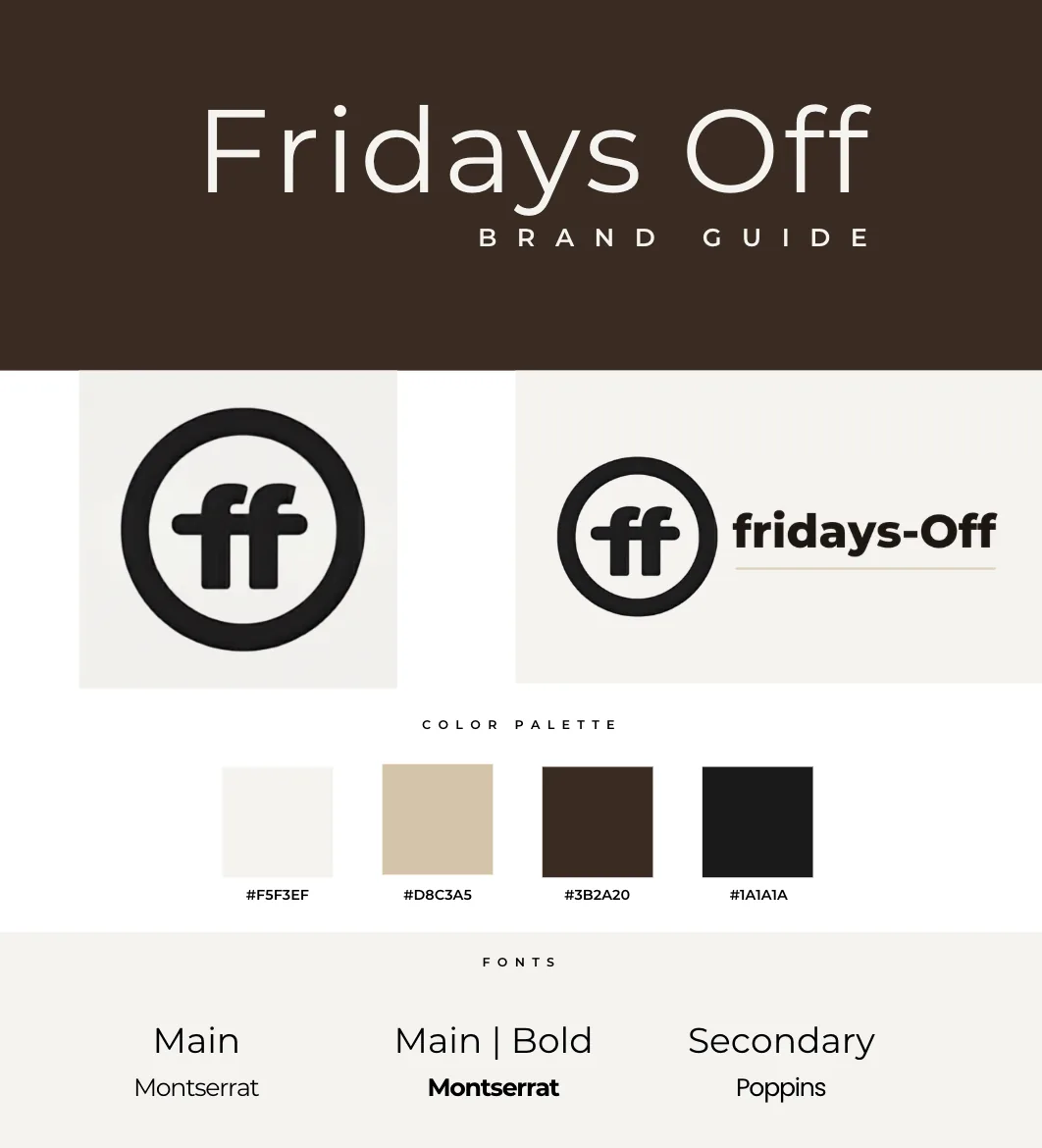
Research first. We studied Louis Vuitton and premium lifestyle brands, then borrowed their best patterns: whitespace, editorial photography and calm type.
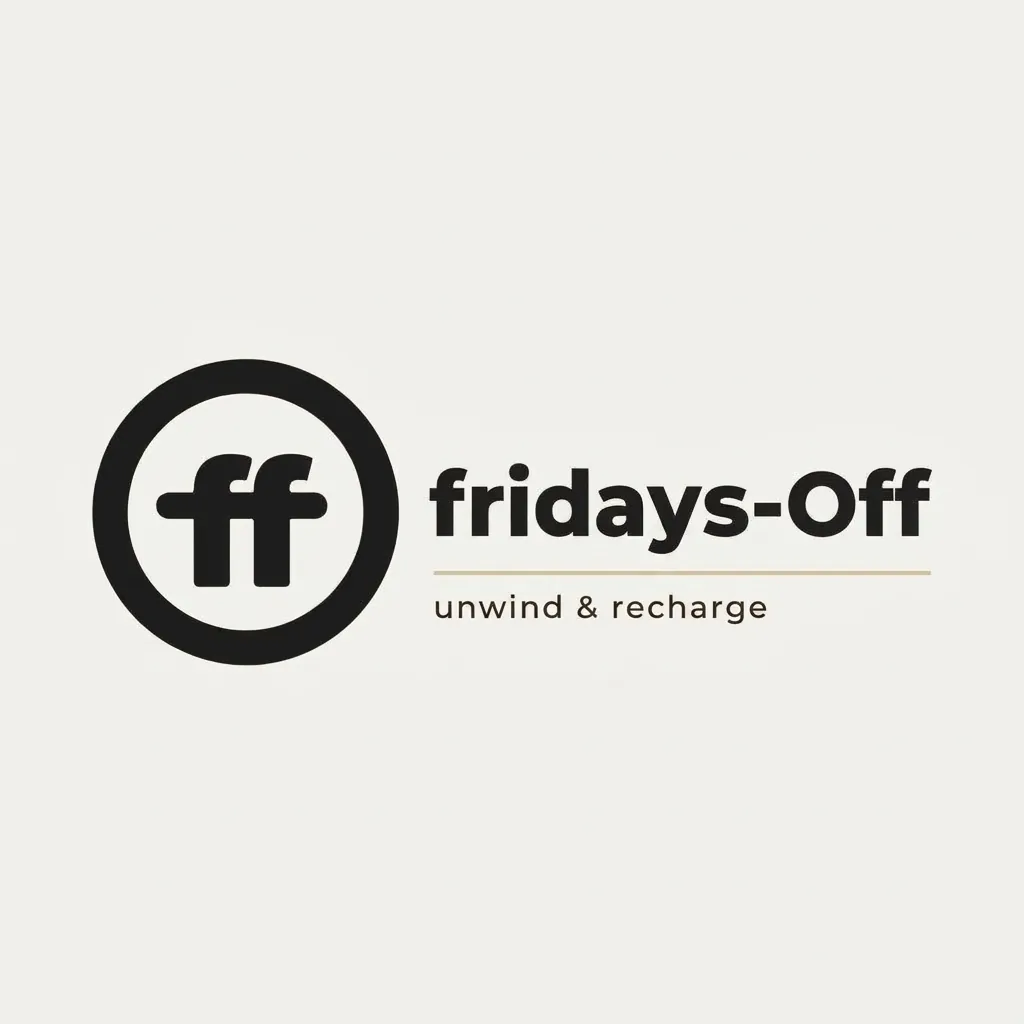
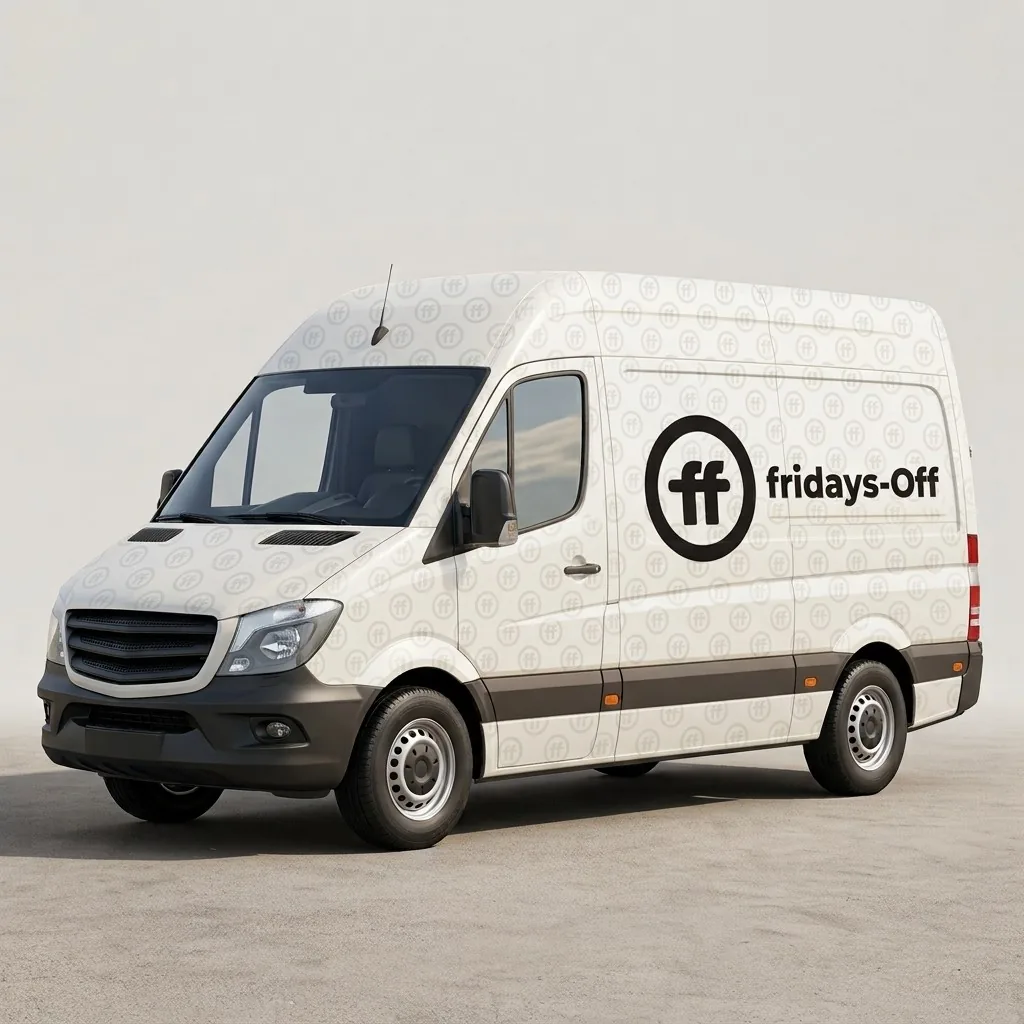
- Mark: an "ff" ligature in a circle that works as a logo, stamp and pattern
- Name: Fridays-Off, with a capital F and O. On merch, "F-Off" becomes a wink.
- Tagline: unwind & recharge
- Type: Montserrat + Poppins
- Palette: four warm neutrals
2. The store: 460+ products that still feel curated
Information architecture. I organized 460+ products into three shopping pillars with sub-categories, so any product is at most two taps away. Shop by Brand, New Arrivals, Best Sellers, Travel Essentials and Lifestyle & Gifts let people browse by mood, brand or need.
The homepage reads like a magazine, not a catalog, and ends with Join the Friday List.
Product pages stay clean: a large gallery, clear specs, Shop Pay installments, and accordions for details and shipping.
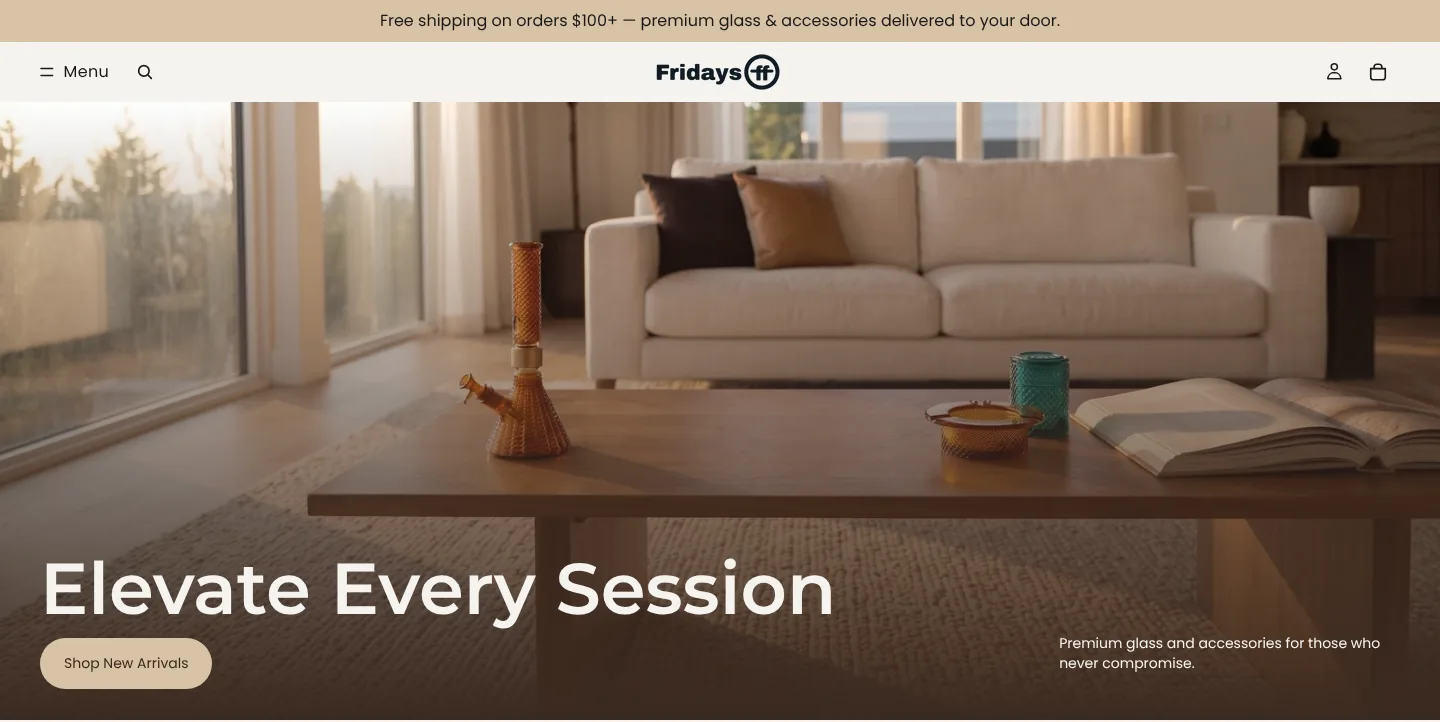
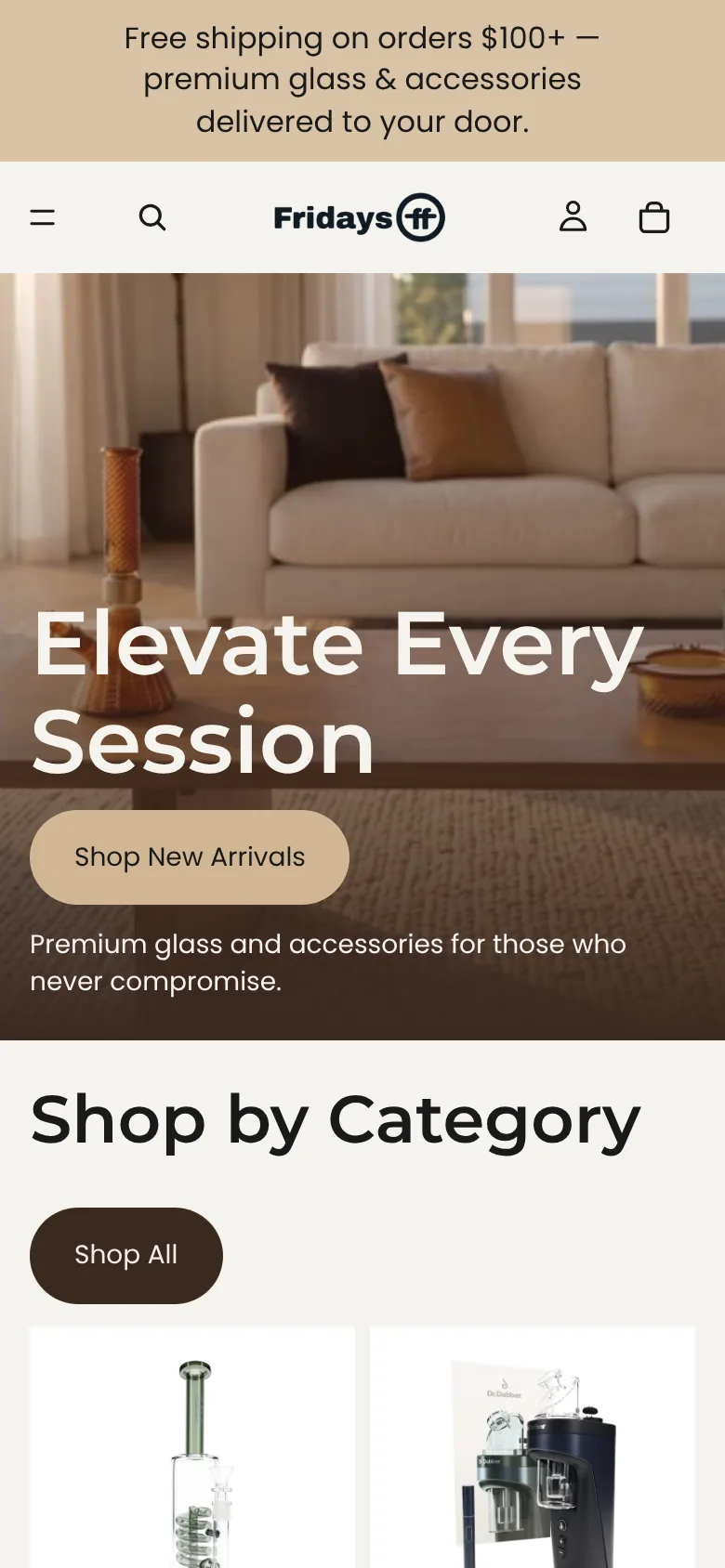
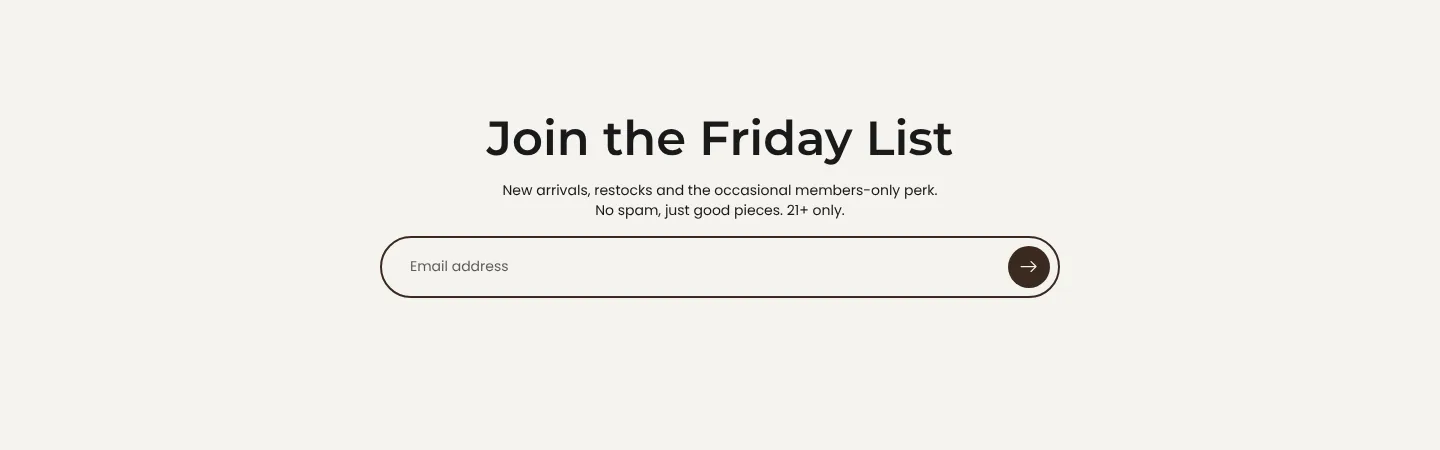
Responsible by design. An age verification gate greets every visitor.
How I built it. I compared three Shopify themes, chose Tinker and customized it. For deeper changes, I paired with Claude on custom CSS and theme code, so a team of two shipped a custom store without hiring a developer.
3. Accessible, always
Accessibility was a requirement from day one, not a final check.
- Keyboard navigation and screen-reader support across the store
- Minimal layouts to avoid cognitive overload
- Color contrast checked against WCAG:
| Pair | Contrast | Result |
|---|---|---|
| Near-black on cream | 15.7 : 1 | ✅ AAA |
| Espresso on cream | 12.3 : 1 | ✅ AAA |
| Sand on near-black | 10.2 : 1 | ✅ AAA |
| Espresso on sand | 8.0 : 1 | ✅ AAA |
| Sand on cream | 1.5 : 1 | Decoration only, never text |
4. The AI content engine
A two-person team can't shoot hundreds of lifestyle photos, so I built an on-brand content pipeline:
Brand style guide  +  Notion reference library (curated by my co-founder)
                  ↓
        Claude writes consistent image prompts
                  ↓
        Higgsfield generates on-brand product imagery
                  ↓
        Blotato schedules the week's posts automatically
Every prompt is anchored to our style guide and a Notion library of real references, so the images don't look AI-generated. The goal: a hands-free content week.
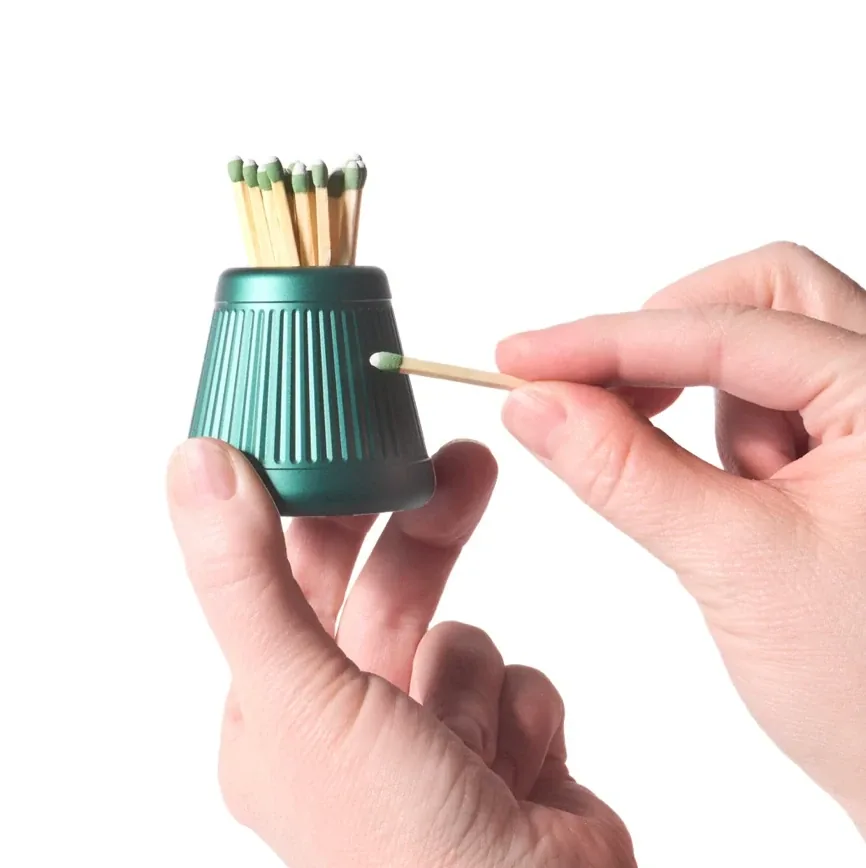
The website uses curated supplier photography; social uses AI editorial imagery, in one visual language.

5. Keeping the store healthy
Hundreds of dropshipped products create mess: duplicate brands, duplicate categories, empty pages. I cleaned them up and set up an automated weekly store check that catches issues before customers do.
Status and early feedback
The social launch is underway. In soft-launch previews, people loved the aesthetic, the photography and the overall vibe.
What I learned
- Great brands borrow wisely. Studying luxury brands taught me to turn inspiration into our own identity.
- One source of truth keeps a remote team in sync. We each work with our own Claude agents, but share one Notion library, so our work never drifts.
- AI and automation multiply a small team. Claude skills, Higgsfield renders and Blotato scheduling do the work of a bigger team.
- E-commerce is part design, part systems. Connecting suppliers and rewriting product copy in our voice taught me how data, inventory, copy and design fit together.